
Concrete Foundation Repair in Saratoga Springs: What to Expect
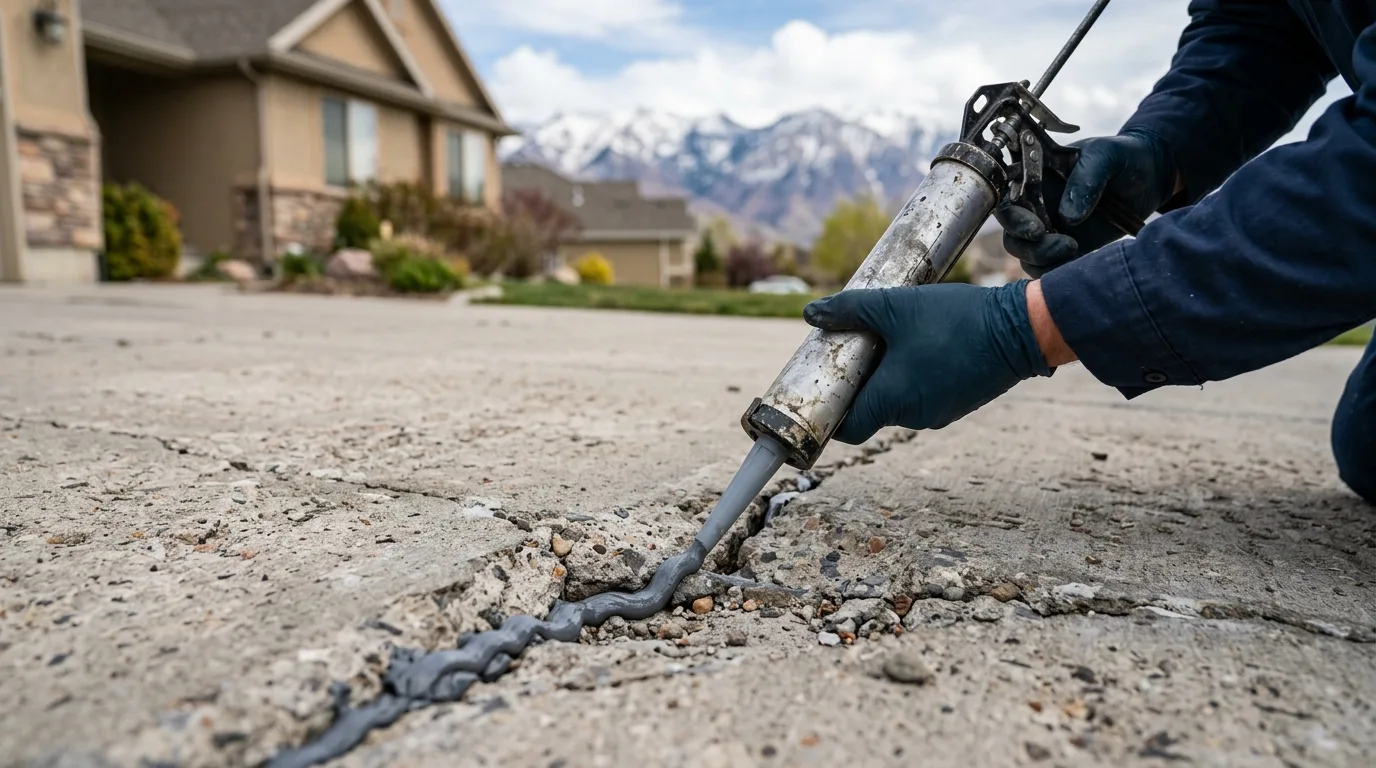
Foundation cracks in Saratoga Springs homes aren’t uncommon — and they’re understandably alarming when homeowners discover them for the first time. The good news is that not all foundation cracks indicate structural failure. The concerning news is that some do, and distinguishing between the two requires understanding what’s causing the crack and how to stop it from progressing. This guide walks through what to expect from the foundation repair process in Saratoga Springs, from the first assessment through project completion.
Foundation Concerns in Saratoga Springs? Get a Free Assessment.
We'll give you an honest evaluation — no pressure, no upselling. Call (888) 376-0955.
Why Foundation Repair Is Common in Saratoga Springs, UT
Every spring in Saratoga Springs, the concrete foundation repair conversation starts fresh. Winter’s freeze-thaw cycles — averaging 30+ per season with January lows at 17°F — open hairline cracks into wider ones and push existing movement further. By the time a homeowner notices a crack in their foundation wall or floor slab, it’s typically been developing for multiple winters.
The underlying driver in most Saratoga Springs foundation repair cases is the same force that drives concrete driveway cracking throughout Utah County: expansive clay soils that expand when wet and contract when dry. Homes throughout newer Saratoga Springs developments — including those near Jordan River Parkway Trail — were built on varying soil conditions, and those with clay-heavy subgrades tend to see more foundation movement over time.
Step 1: Foundation Diagnostic Assessment
The repair process begins with a thorough diagnostic — and this step is where the outcome is determined. A proper foundation assessment in Saratoga Springs includes:
Crack mapping — documenting every visible crack including width, length, direction, and whether the crack is stable (same width throughout) or active (widening at one end). Stair-step cracks indicate differential settlement; horizontal cracks indicate lateral soil pressure; vertical cracks through the full foundation height are more concerning than hairline surface cracks.
Floor level measurement — checking floor slope with a laser level across multiple points identifies differential settlement and its severity. More than 1 inch per 10 feet of floor slope typically indicates active foundation movement.
Drainage evaluation — examining grade around the foundation, gutter discharge points, and irrigation patterns that may be contributing to clay soil saturation. In Saratoga Springs, the proximity to Utah Lake affects soil moisture in southern neighborhoods like Pelican Point.
Interior inspection — sticking doors, cracked drywall, or separation at window and door frames are secondary signs of foundation movement visible inside the home.
Step 2: Determining the Repair Method
The diagnosis determines the appropriate repair approach. For Saratoga Springs foundations, common repair methods include:
Epoxy injection for stable, non-moving cracks — high-strength epoxy is injected under pressure to fill and seal the crack. This is the appropriate repair when crack mapping shows no active movement and drainage correction can prevent future moisture-driven soil expansion. Epoxy injection works well for vertical shrinkage cracks in poured concrete foundations.
Polyurethane foam injection for crack sealing with some remaining flexibility — unlike rigid epoxy, polyurethane foam accommodates minor movement, making it appropriate for cracks in areas with ongoing but minor soil movement.
Helical pier installation for actively settling foundations — steel helical piers are driven deep into stable bearing soil below the expansive clay layer, then connected to the foundation with a bracket that transfers the structure’s load to the piers. This corrects settlement and prevents future movement.
Push pier systems — hydraulically driven steel piers that function similarly to helical piers; used when soil conditions favor push installation over helical.
Carbon fiber straps for bowing or leaning foundation walls — straps bonded to the wall transfer lateral load to the floor system, preventing further inward movement.
Drainage correction — often a companion repair to any structural method; regrading around the foundation, extending downspouts, or installing French drains reduces clay soil saturation and prevents future moisture-driven movement.
Step 3: The Repair Process
Once the method is determined, the repair process in Saratoga Springs typically involves:
For epoxy or polyurethane injection: surface cleaning, port installation along the crack at 12–18 inch intervals, injection under pressure from the bottom up until material flows from the port above, port capping, and surface finish. This is often a one-day process.
For pier installation: exterior excavation adjacent to the affected foundation section, pier installation to bearing depth (typically 15–30 feet in Utah County to reach stable soil below the clay layer), bracket installation, and optional hydraulic lifting to recover settlement where feasible. Excavation is backfilled after installation.
The Saratoga Springs Building Department requires permits and footing inspections for structural foundation repair — we coordinate all permitting and inspection scheduling as part of the project.
Step 4: What Comes After the Repair
Drainage correction is typically recommended alongside any structural repair. A foundation that’s been stabilized but continues to experience moisture-driven clay expansion will experience continued stress. Installing positive drainage away from the foundation — extended downspouts, grading correction, or a French drain system — addresses the moisture source that’s driving soil movement.
Monitoring after repair is also important. For pier systems, some settlement monitoring in the first year after installation confirms stability. For crack injection repairs, periodic inspection ensures no new cracking is developing in adjacent areas.
Practical Uses: Matching Repair to Crack Type
- Hairline vertical cracks (under 1/4 inch, stable): Epoxy injection or polyurethane foam; good prognosis with drainage correction.
- Stair-step cracking in block or brick: Often indicates differential settlement; investigate bearing conditions before repair.
- Horizontal cracks in basement walls: Lateral soil pressure; carbon fiber straps or wall rebuild may be required; consult a structural engineer.
- Actively widening cracks with floor slope: Helical or push pier investigation warranted; structural engineering review recommended.
- Slab heave or settlement (interior floor cracks): Foam lifting for minor slab settlement; slab replacement when heave exceeds 2+ inches.
Frequently Asked Questions
How do I know if my foundation crack is serious in Saratoga Springs?
Cracks wider than 1/4 inch, horizontal cracks in foundation walls, cracks accompanied by measurable floor slope (more than 1 inch per 10 feet), or cracks that are actively widening year-over-year are serious and warrant professional evaluation. Hairline vertical cracks in poured concrete are often normal shrinkage and can be addressed with injection.
How much does foundation repair cost in Saratoga Springs?
Epoxy crack injection runs $500–$3,000 for typical residential cracks. Pier installation for actively settling foundations in Utah County typically ranges $5,000–$15,000+ depending on the number of piers required and the severity of settlement. Get a written estimate that distinguishes between structural repair and companion drainage work.
How long will foundation repair last in Saratoga Springs?
Properly executed foundation repair in Saratoga Springs — where the structural issue and the root cause (drainage, soil saturation) are both addressed — is designed to be permanent. Epoxy injection in stable cracks lasts 20+ years; pier systems are engineered for the life of the structure.
Foundation Repair Done Right in Saratoga Springs
Call Saratoga Springs Concrete Pros at (888) 376-0955 for a free assessment. Honest evaluation, clear recommendations, full permit coordination.
Related: